Research
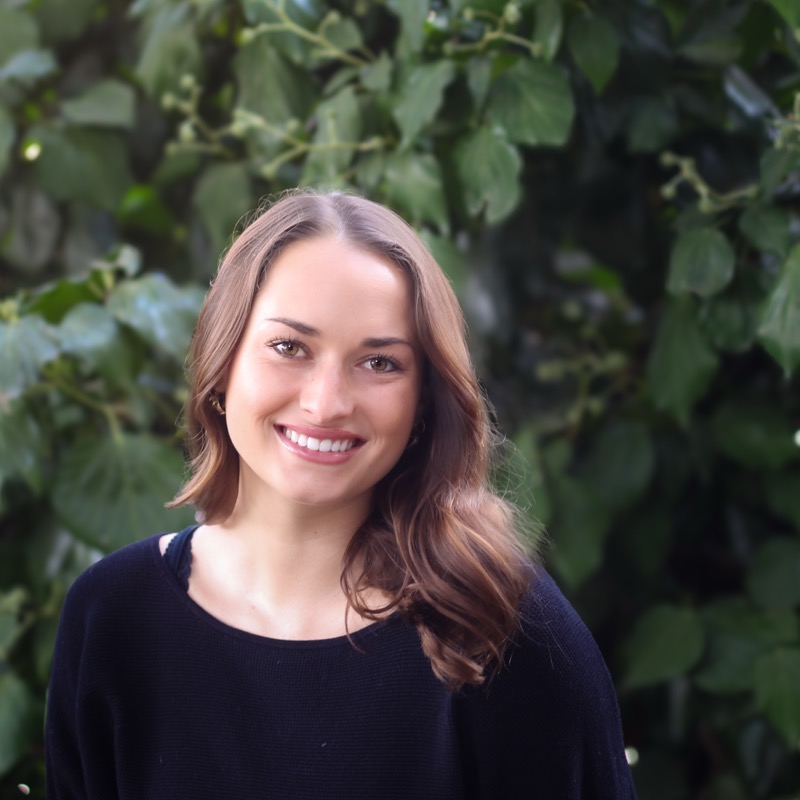
Rachael Kee’s research examines how sleep and media use interact to shape human behavior and well-being across time. She works in the Cognitive Communication Science Lab under the supervision of Dr. Richard Huskey. Her work focuses on developing high-throughput and ecologically valid approaches to studying communication and behavior as they naturally unfold in everyday life, integrating computational methods, wearable and mobile sensing technologies, ecological momentary assessment (EMA), longitudinal modeling, and laboratory-based neuroscience techniques including EEG, fMRI, and eye tracking.
Methods
Electroencephalography (EEG)
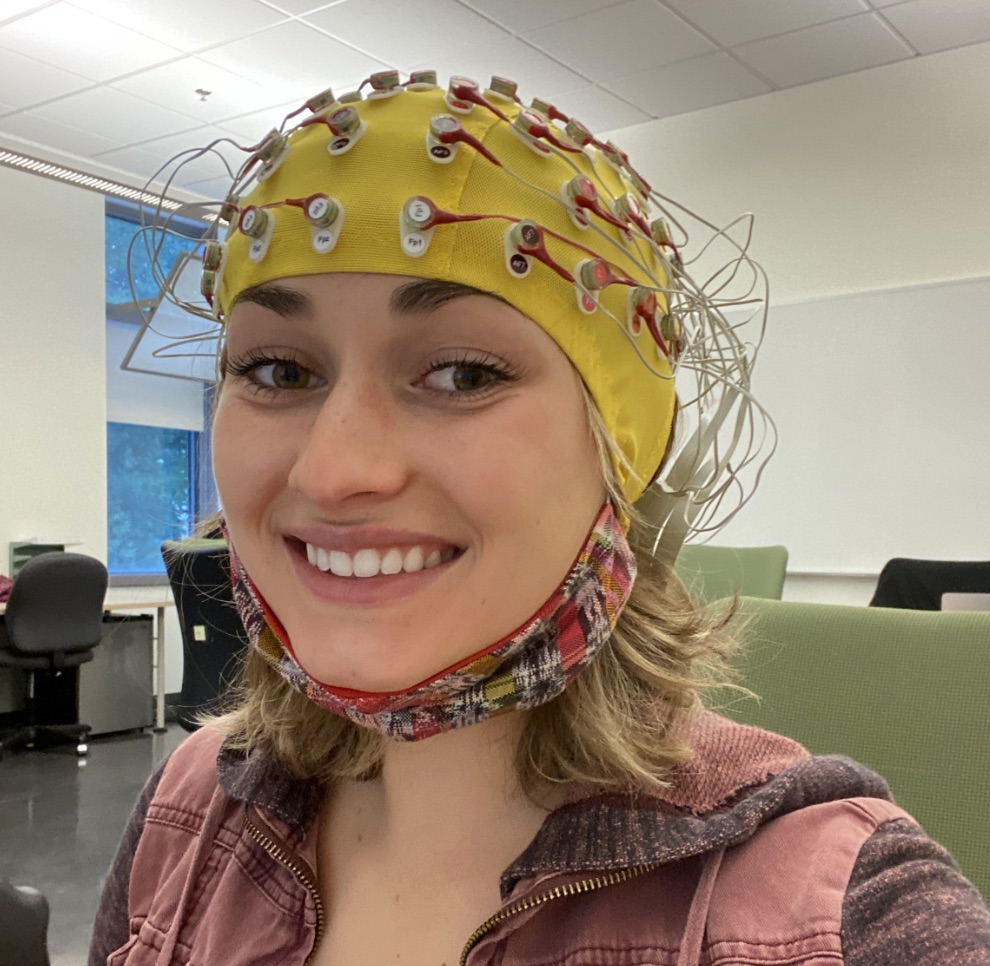
A noninvasive neuroimaging method that records electrical activity in the brain using scalp-surface sensors. EEG captures neural activity with millisecond temporal precision, making it particularly useful for studying dynamic processes related to sleep, media use, attention, emotion, and cognition. Event-related potential (ERP) components extracted from EEG data provide insight into distinct stages of neural processing.
Functional Magnetic Resonance Imaging (fMRI)
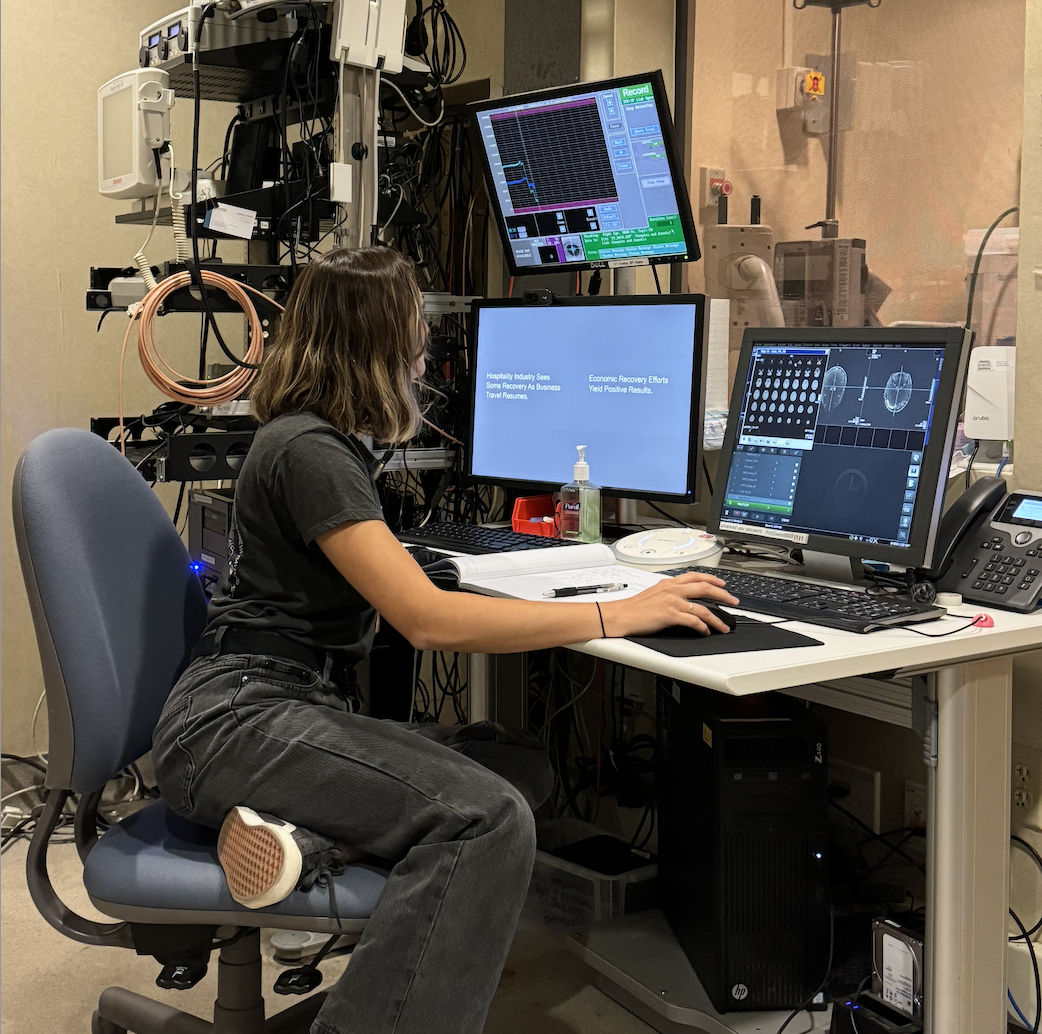
Measures brain activity by detecting blood-oxygen-level-dependent (BOLD) signal changes, providing high spatial resolution for identifying which neural systems are recruited during a given cognitive task. fMRI is particularly well-suited for mapping distributed brain networks and examining how large-scale neural dynamics relate to behavior, experience, and media use.
Eye Tracking
Records the position and movement of gaze in real time, capturing where observers look, for how long, and in what sequence. Eye tracking provides a continuous, unobtrusive window into visual attention and can be combined with other physiological measures to link perceptual behavior to neural and affective responses.
High-Throughput Methods
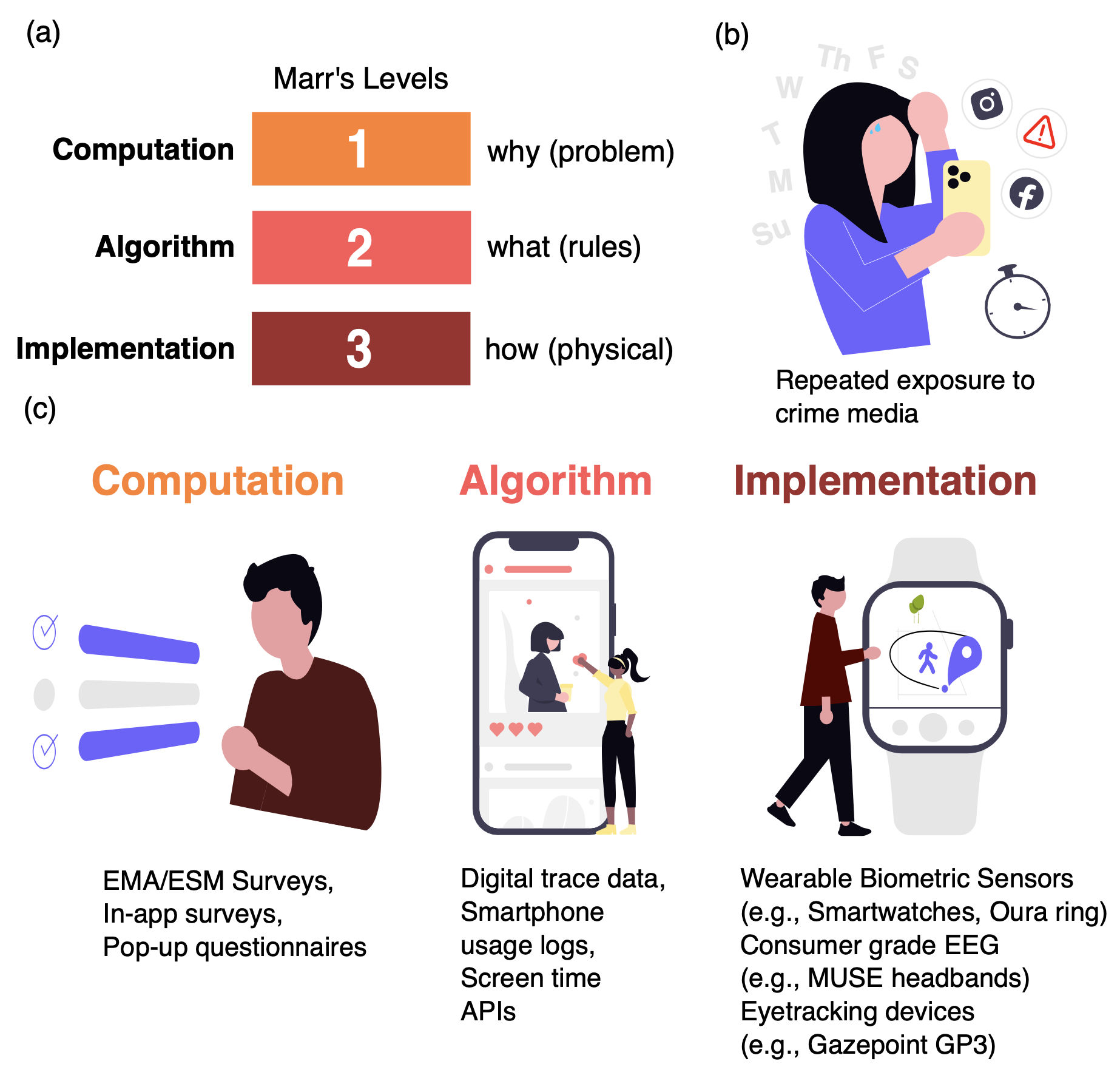
An integrative methodological approach that combines rich, temporally sensitive, and ecologically valid multimodal data streams with a multilevel analytical framework to reveal the reciprocal causal dynamics inherent to communication theories (Kee & Huskey, 2026). Where traditional methods are often implemented in isolation, producing results that are difficult to integrate, high-throughput communication science coordinates behavioral, physiological, and self-report data collected at scale, including smartphone-based EMA.
Computational Methods
Statistical and computational approaches for analyzing complex, high-dimensional data collected across naturalistic and laboratory-based settings. These methods support the study of dynamic behavioral and physiological processes across time, including longitudinal modeling, multimodal data integration, and scalable analysis of large datasets.
Open Science
Science advances fastest when knowledge is shared openly, and when the tools, data, and methods behind published findings are accessible to other researchers. Rachael is committed to open science practices, including sharing analysis code and materials, developing open-source research software, and building toward a culture of transparency and reproducibility in communication science. Making research infrastructure available freely and openly is especially important in contexts where cost barriers can limit who gets to do science and what questions get asked.
Inoxity
Inoxity is an open-source iOS research platform developed to support high-throughput data collection in naturalistic settings. Designed to move behavioral research beyond the lab, the platform integrates ecological momentary assessment (EMA), passive mobile and wearable data collection, and customizable study workflows into a single scalable system. Inoxity was developed to support research on sleep, media use, and dynamic behavioral processes as they unfold in everyday life. Ongoing development and source code are available on the Inoxity GitHub repository.
LLM Dream Coder
Dream content is a rich but largely untapped data source in sleep and media science, in part because traditional dream coding is slow, labor-intensive, and difficult to scale. The LLM Dream Coder is an open-source tool she is developing to automate the classification and thematic analysis of dream reports using large language models, including coding approaches derived from the Hall/Van de Castle system. By enabling systematic dream coding at scale, the tool supports new questions about how media exposure, cognition, and emotional states relate to dream content and sleep. This project sits at the intersection of sleep science, media research, and computational methods, representing a step toward treating dream content as viable data for communication science. Ongoing development can be followed at the LLM Dream Coder GitHub repository.
Undergraduate Research Assistants
Rachael values mentoring undergraduate researchers and supporting their growth as emerging scholars.
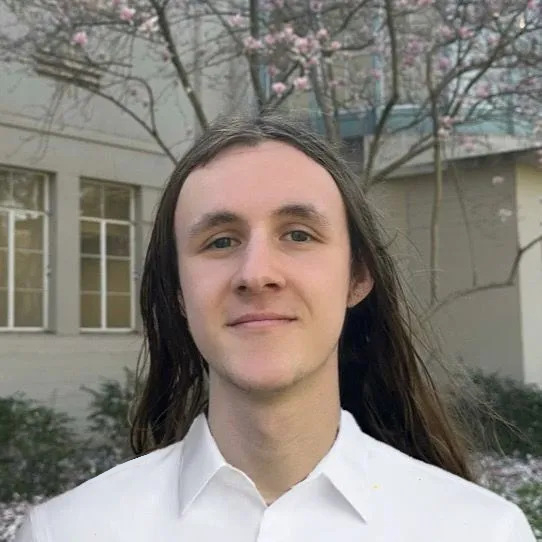
Elija Carpenter (Summer 2026 – Present)
Elija Carpenter is an undergraduate at UC Davis majoring in Cognitive Science with a computational emphasis, and with minors in Mathematics and Computer Science. He is interested in computational cognitive neuroscience, integration of behavioral studies with neuroimaging techniques, and the application of quantitative and computational methods and models to understanding the mind. He hopes to pursue a PhD in Cognitive Science or a related field in the future, and is interested in a career in research.
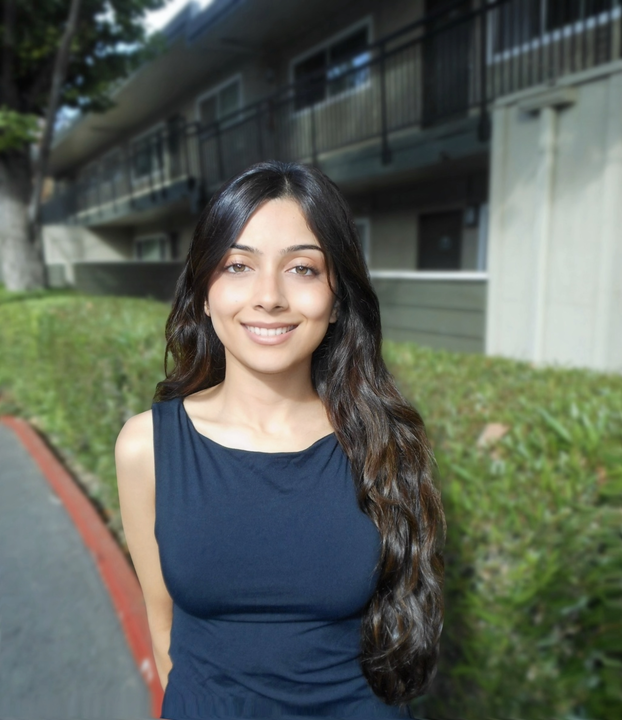
Laasya Madgula (Fall 2025 – Summer 2026) Alumna
Laasya graduated from UC Davis in 2026 with degrees in Statistics/Machine Learning and Computer Science. She is passionate about human-centered, multimodal learning and health technologies. Under Rachael’s mentorship, she helped refine the Inoxity iOS data collection platform for research distribution.
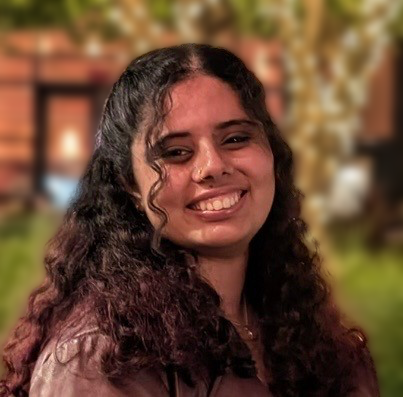
Pramshu Upadhyaya (Summer 2026 – Present)
Pramshu Upadhyaya is a third year UC Davis undergraduate student majoring in Biochemistry and Molecular Biology with a minor in Anthropology. She is interested in neurobiology with a focus on how the brain organizes, processes, stores and is influenced by memory. She hopes to pursue a career as a pediatric neurologist while contributing to research regarding the brain’s cognitive and biological processes.
Learn More
- Publications: journal articles, book chapters, and preprints
- Google Scholar
- ORCID